You keep waiting for the moment it will make sense. The friendship that drained you for years. The one that looked close from the outside but left you feeling small, tired, and a little crazy for even questioning it. And now that it’s over, you’re grieving something you can’t quite explain to anyone, because on paper, you just lost a friend.
Here’s what nobody tells you. What you went through has a name. It wasn’t a friendship that went bad. It was an exploitative dynamic, and it followed a pattern that researchers have documented for decades. You’re not dramatic. You’re not too sensitive. You saw something real, and your body has been trying to tell you that for a long time.
This is the guide I wish someone had handed me. We’ll cover what friendship trauma actually is, how to spot the pattern while you’re still in it, why the grief hits so hard, and how to heal without shrinking yourself down to do it.
What friendship trauma actually is
Friendship trauma is the lasting emotional wound left by a friendship built on control, extraction, or betrayal instead of mutual care. It’s not the pain of a friend moving away or two people drifting apart. Those hurt too, but they’re clean. Friendship trauma is different. It leaves you second-guessing your own memory, flinching at new closeness, and carrying a story where you somehow ended up the villain.
The reason it cuts so deep is trust. You let this person in. You told them things. You showed up for them at your own expense, over and over, because that’s what you do for people you love. When someone uses that access against you, the injury isn’t just to the friendship. It’s to your ability to trust yourself.
And most people never call it trauma, because we don’t give friendship that kind of weight. That’s the first thing we have to fix.
Why nobody takes friendship grief seriously
There’s a term for what you’re feeling. Disenfranchised grief. It’s the grief that society doesn’t make room for. When a marriage ends, people bring casseroles. When a friendship ends, people say “you’ll make new friends” and change the subject.
So you learn to minimize it. You tell yourself it wasn’t a big deal. You push it down and wonder why it keeps resurfacing months later, out of nowhere, in the middle of a normal day. That’s not you being stuck. That’s grief that was never allowed to breathe.
Your loss was real. You didn’t just lose a person. You lost the version of your life you thought you were building with them. You lost a community, sometimes. You lost the safety of feeling known. That deserves to be grieved out loud, not managed in silence. If this part is where you’re sitting right now, this piece on friendship breakup grief goes deeper into why it can hurt more than a romantic breakup.
How to recognize an exploitative friendship
Exploitative friendships aren’t loud at the start. They’re warm. That’s what makes them so hard to name. The pattern tends to move through a few predictable phases, and once you see it, you can’t unsee it.
It starts too fast
Real friendship builds slowly. You get to know someone across seasons, watch how they treat people, and let trust catch up to closeness. An exploitative dynamic skips all of that. Within weeks, this person wants to be your everything. They mirror your interests, shower you with praise, and fast-track a level of intimacy you didn’t ask for.
This is love bombing, and it doesn’t only happen in romance. In friendship it can look like a whirlwind of attention, big early promises, and a rush to make you dependent before you’ve had time to actually observe who they are. If the pace felt too intense from the jump, that wasn’t chemistry. Here’s what love bombing looks like between friends, and why the fast, intense ones are worth slowing down.
The effort only flows one way
Once you’re in, the extraction begins. You cook for their events. You give the rides. You absorb their crises at 1am. You buy the gifts and plan the celebrations. And when you need something back, they’re busy, distracted, or somehow make it about them.
Pay attention to your milestones. Your birthday. Your kid’s big moment. Your hard week. In a healthy friendship, those get met with care. In an extraction dynamic, they get avoided, minimized, or hijacked. One incident is nothing. A pattern across a year is data. These seven signs spell out exactly what an extraction friendship looks like when you lay it all out.
The crisis and savior loop
Here’s the part that keeps you hooked. This person always has a crisis, and they position you as the one who can help. Then, right when you’re most vulnerable, they swoop in with generosity that looks like kindness but comes with strings. Help that creates obligation. A favor you can never quite repay.
That’s not generosity. Generosity doesn’t leave you owing someone. When help arrives at your lowest moment and quietly hands them more control over your life, the strings are the point.
How the dynamic actually works
Exploitative friendships run on a few reliable tactics. Triangulation is a big one. When there’s a conflict, this person doesn’t come to you. Suddenly a third party knows about it, and now you’re managing not just the friend but the people they’ve turned. In relational abuse language, those recruited third parties are sometimes called flying monkeys, and a friend running this playbook will often build a quiet case against you long before you know a case exists.
There’s usually a role you’ve been cast in too. The scapegoat. Not because you did something wrong, but because you were perceptive. You saw the dysfunction and named it, and that made you a threat to the story they wanted to tell. If any of this is landing hard, this breakdown of the narcissistic friend and her flying monkeys walks through the roles so you can see the whole machine, not just your part in it.
Naming the mechanism matters. Not so you can diagnose someone from a blog post, but because understanding the pattern is what finally lets you stop taking it personally. You weren’t the problem. You were the person who stopped being useful on their terms.
How to start healing from friendship trauma
Healing here doesn’t move in a straight line, and it doesn’t start with forgiveness. It starts with telling the truth about what happened.
Let the grief be real
Stop editing your loss down to something smaller. Name what you actually lost. The friendship, yes, but also the trust, the time, the community, the sense of safety. Grieve all of it. You can’t heal a wound you keep pretending is a scratch.
Work with your nervous system, not against it
If you notice hypervigilance, trouble trusting, or a body that won’t fully relax even around safe people, that’s not weakness. That’s a nervous system that learned closeness is dangerous, because for a while, it was. It needs evidence, not lectures. Small, consistent proof that trust can be built slowly without everything blowing up. Movement helps. Walking helps. Anything that tells your body the threat has passed.
Stop punishing the part of you that kept giving
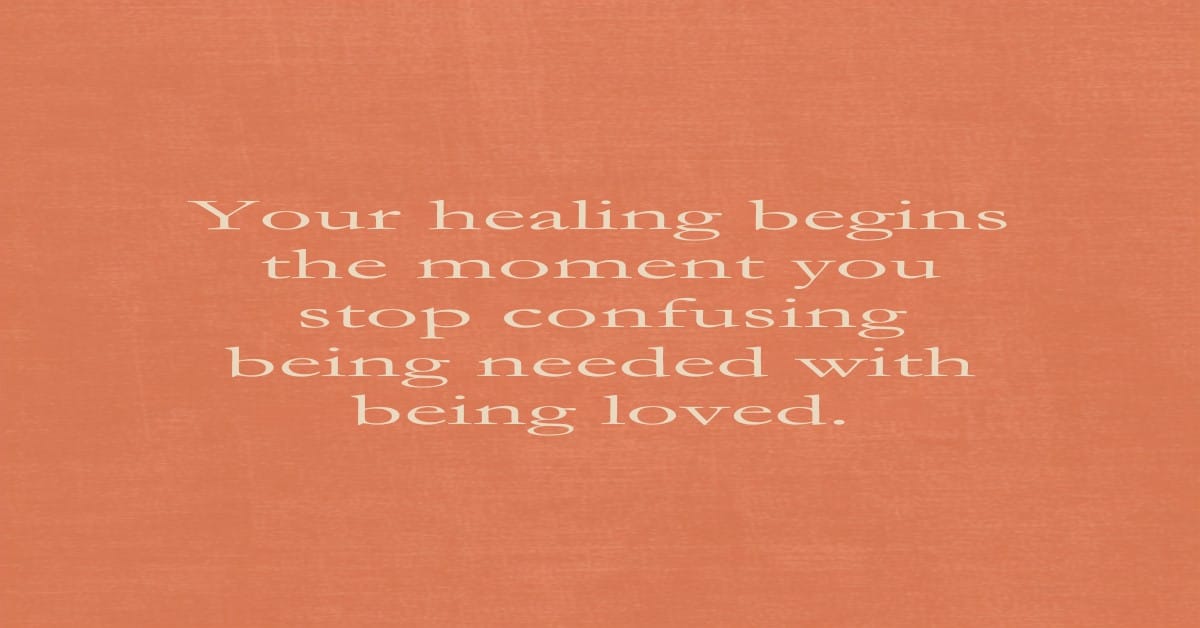
The part of you that kept showing up long after this person showed you who they were? That part isn’t foolish. It was running an old belief that if you just give enough, love enough, stay patient enough, the relationship will finally feel safe. That belief probably started long before this friend ever showed up.
The work isn’t to become someone who gives less. It’s to keep your generosity and add discernment to it. You’re allowed to be warm and boundaried at the same time. Both. Without guilt.
If trusting people again feels impossible right now, that’s normal, and it’s workable. This is how you rebuild trust after a friend betrays you, one small step at a time.
How to protect yourself going forward
Protecting yourself isn’t about becoming suspicious of everyone. It’s about slowing down the intake so your nervous system has time to collect real information before you hand over deep trust.
A few things worth watching:
Watch how someone treats people who can do nothing for them. Kids, service workers, elderly relatives. How they treat the people with no power tells you everything about their character before they ever turn it toward you.
Watch how they handle the first conflict. Do they come to you directly, or does a third party suddenly have opinions about you? Triangulation in the very first disagreement is a strategy, not a communication style.
Watch the pace. Urgency at the start of a friendship is usually about need, not connection.
And trust the physical signal before your brain talks you out of it. If your body feels off around someone and you keep having to explain the feeling away, pause. That discomfort is information.
When the time comes to actually step back from a draining friendship, you don’t owe anyone a dramatic exit or a perfect explanation. Here’s how to walk away from a toxic friendship without drowning in guilt.
You were never the problem
Let this land, because it’s the whole point. You were not naive for trusting someone who worked hard to earn your trust while you were vulnerable. That’s not a flaw. That’s proof you’re capable of real connection, which is a good thing, not a liability.
Your nervous system wasn’t broken when it kept giving. It was running an old program that said generosity would eventually buy you safety. Healing is updating the program. Generosity stays. Discernment gets added. That’s the whole upgrade.
You’re allowed to grieve this fully. You’re allowed to name it as trauma. And you’re allowed to trust again, slowly, on your terms, in your time.
If this put words to something you’ve been carrying, I made a free one-page checklist called The 7 Signs a Friendship Is an Extraction Dynamic. It’s the quiet gut-check I wish I’d had years ago. Grab it here and I’ll send it straight to your inbox.